-400x300.jpeg)
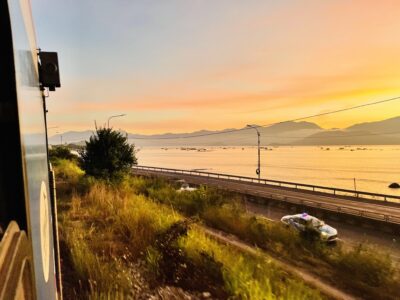
After attending a technical conference in Germany, I set myself a side mission to take one of the longest overnight train journeys in Poland to the city of Gdańsk, which is located on the Baltic coast. There’s something uniquely thrilling about falling asleep in one city and waking up in another that you’ve never seen before. In a continent where distances between major cities are relatively short and high-speed rail or short flights dominate, overnight sleeper train journeys are rare. That made this trip feel like a unique opportunity, considering that this would be my first ever trip to Gdańsk.
At first, it felt like just another stop on the rail map. It turned out to be much more! Gdańsk feels like a true crossroads of history. I boarded the train from Kraków which a beautiful university city in southern Poland with ancient medieval roots and arrived in Gdańsk early the next morning, with a full day to explore before my flight home.
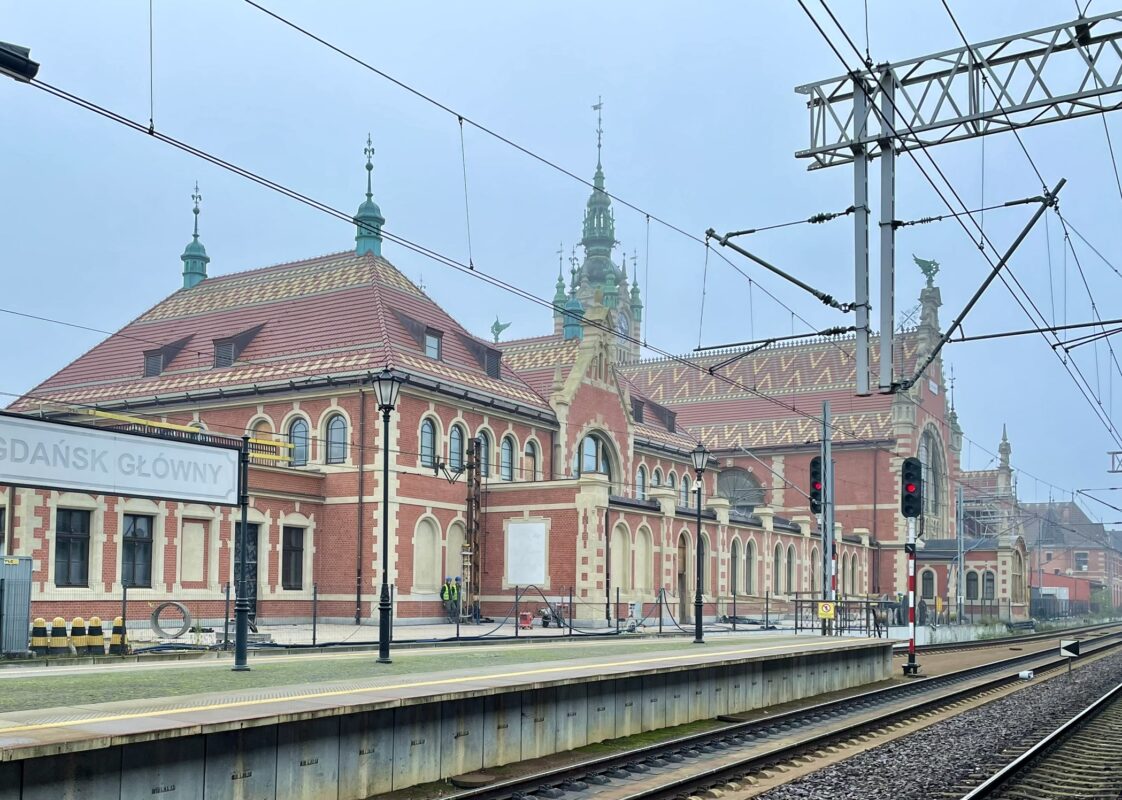
For centuries, Gdańsk has been a prominent seaport, a gateway to Eastern Europe. With Germany to the west and Russia’s Kaliningrad to the east, each barely over 100 km away, Gdańsk occupies a uniquely sensitive edge of Europe.
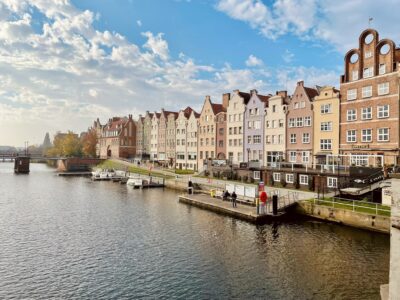
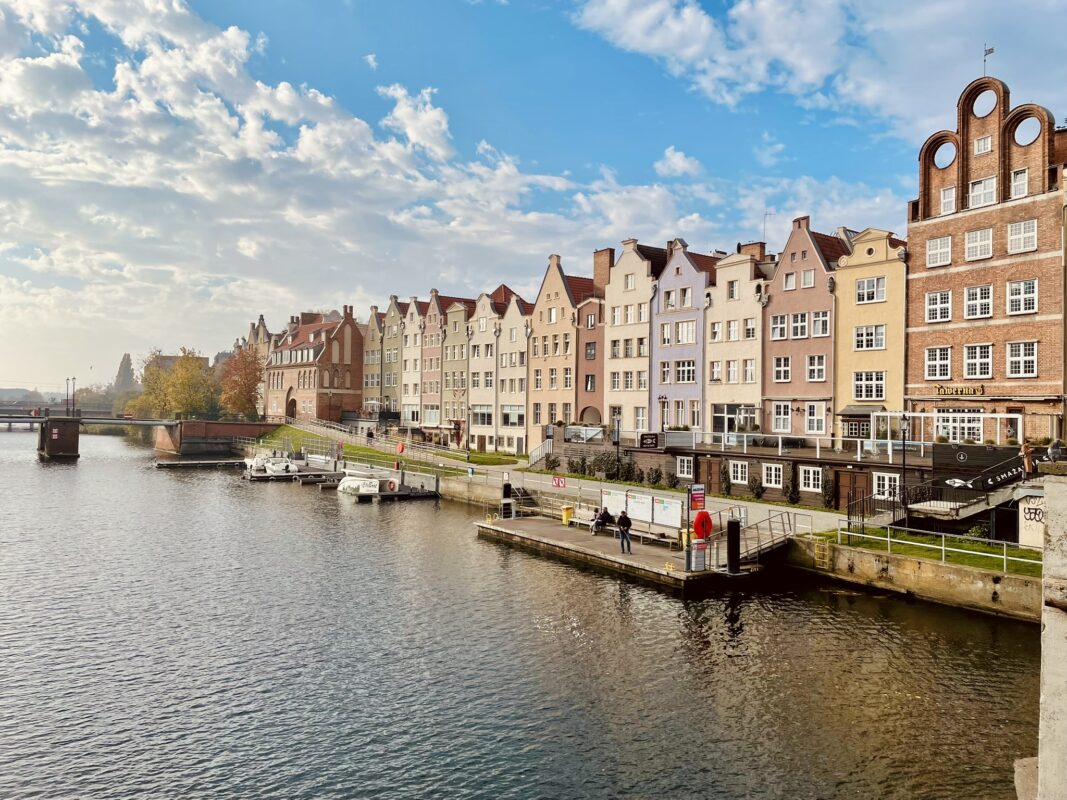
Step out of the station, and within minutes you’re walking through the alleys lined with colorful building facades that look almost too perfect and still until you realize much of it was painstakingly rebuilt after World War II.
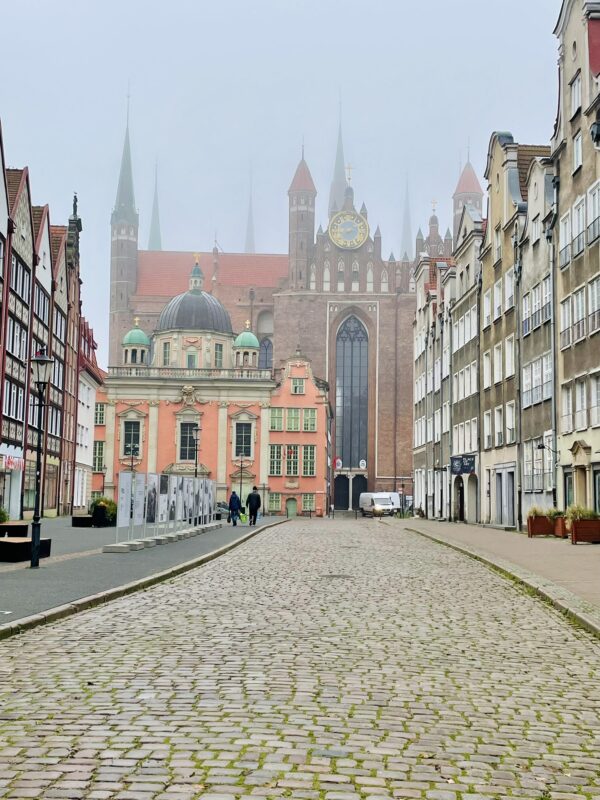
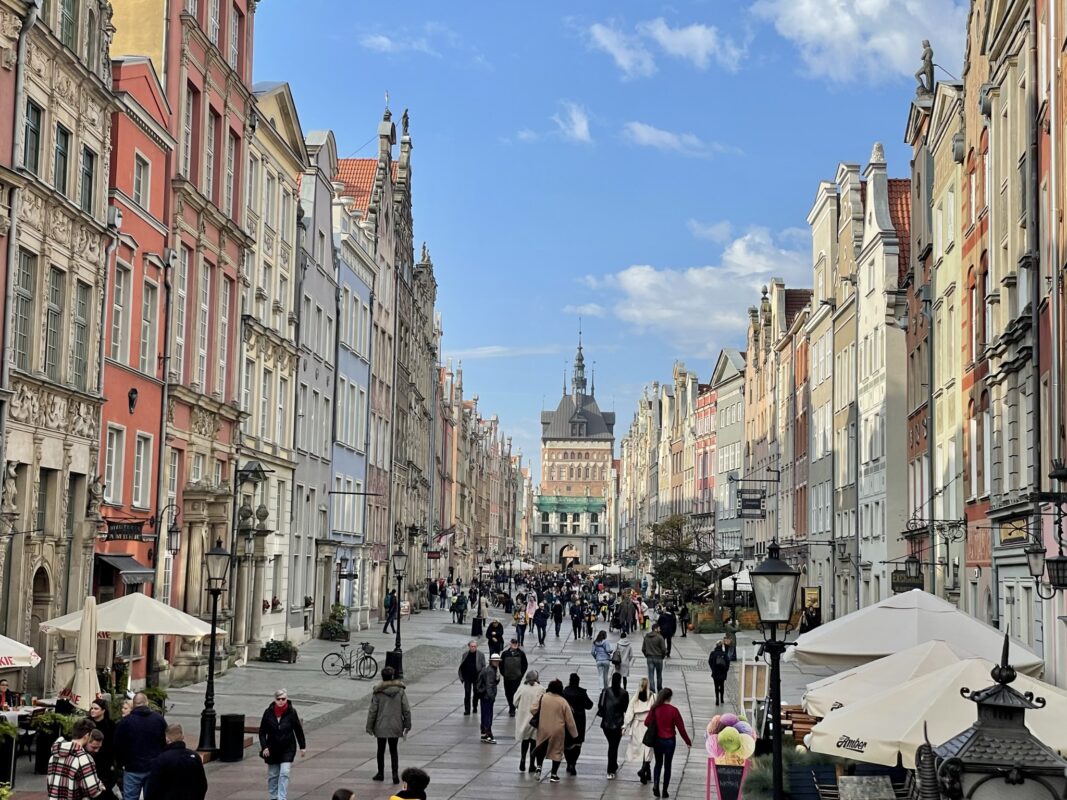
As I explored the City, I began to understand the city’s layered past. The control of Gdańsk has shifted multiple times between Polish, Prussian, and German rule, existed as a Free City, endured Nazi control, and later Soviet influence, before returning to modern Poland. Few places in Europe have changed hands and identities so often.
It was here, at nearby Westerplatte, that the opening shots of World War II were fired in 1939, when Nazi forces attacked a small Polish garrison marking the beginning of the war.
But Gdańsk’s story isn’t only about conflict, it’s equally about industry and influence, anchored in its strategic Baltic location and its access to waterways connecting Poland and much of Eastern Europe.
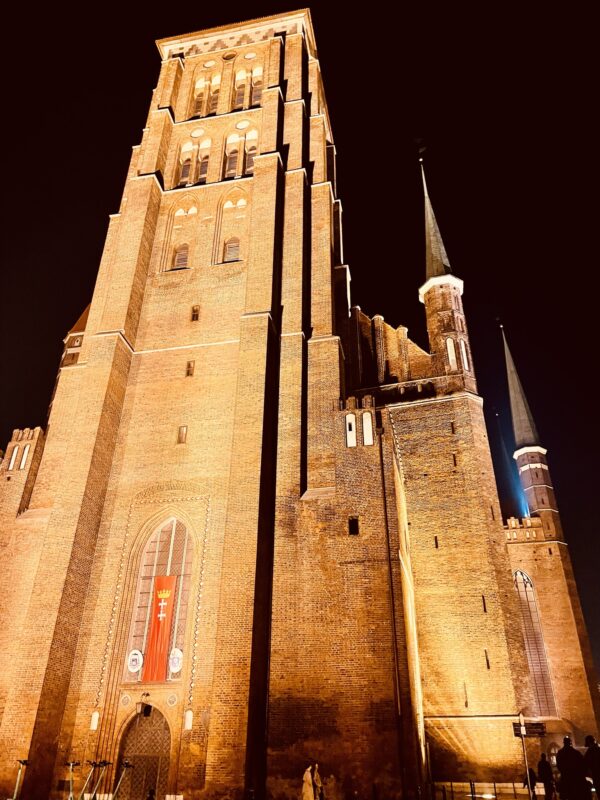
Today, with a population of around half a million (and part of a larger metropolitan area nearing a million) Gdańsk remains one of Poland’s most important port cities and economic hubs.
For a city I arrived at almost by accident, Gdańsk turned out to be a place where rails, ships, and history all intersect shaping Europe over centuries.
One Response
Test