-400x300.jpeg)

March 6, 2020 – Days before the world shut down due to COVID. After successfully commissioning and starting up one of the region’s largest arsenic treatment plants for drinking water in Buenos Aires, Argentina, I managed to carve out a weekend to explore Tren a las Nubes — the Train to the Clouds. This spectacular railway journey through the Andes near the border of Argentina and Chile is one of the highest in the world, reaching 13,845 feet (4,220 meters). The city of Salta sits at the eastern foothills of this remarkable railway.
Salta which is nicknamed “Salta la Linda” (Salta the Beautiful), is one of Argentina’s best-preserved colonial cities. Many buildings in the historic center date back to the 17th and 18th centuries. Sitting at about 3,770 feet (1,150 m) above sea level, the city serves as the gateway to the Andes and to this legendary train adventure.
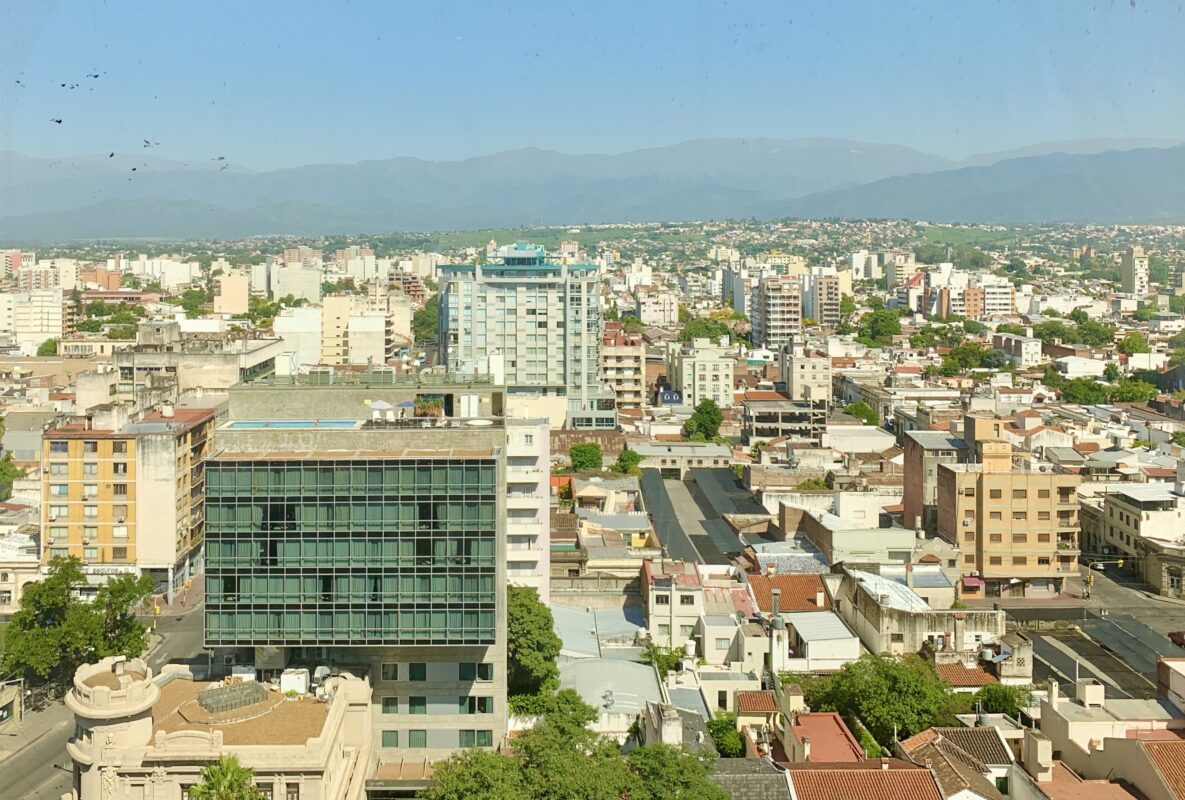
With around 625,000 residents, Salta is the seventh-largest city in Argentina and the main cultural and economic hub of the country’s northwest. For wine connoisseurs, Salta Province is also home to some of the highest-elevation vineyards in the world.
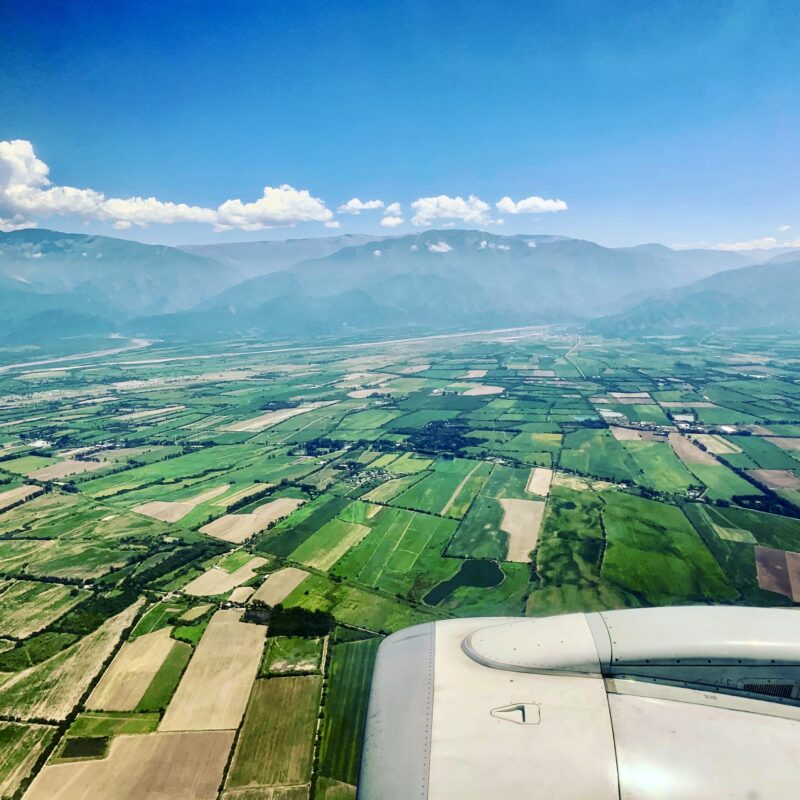
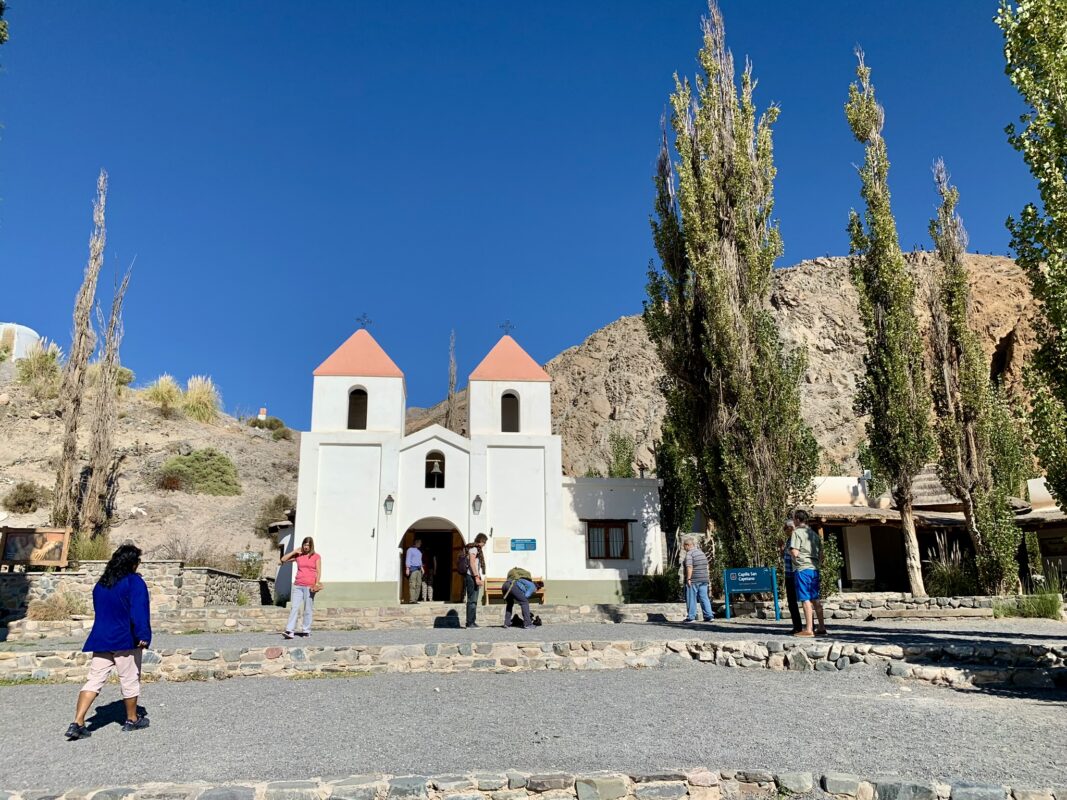
After a busy Friday at work in Buenos Aires, I hopped on an evening flight to Salta. The Tren a las Nubes is a full-day excursion, which means an early morning start. The journey begins with a three-hour bus ride from Salta to the small Andean town of San Antonio de los Cobres. The train originally ran all the way from Salta. However, maintaining the historic mountain railway proved expensive and operational challenges over the years led to a redesign of the excursion. Today, travelers reach San Antonio de los Cobres by bus before boarding the train for the most spectacular section of the route.
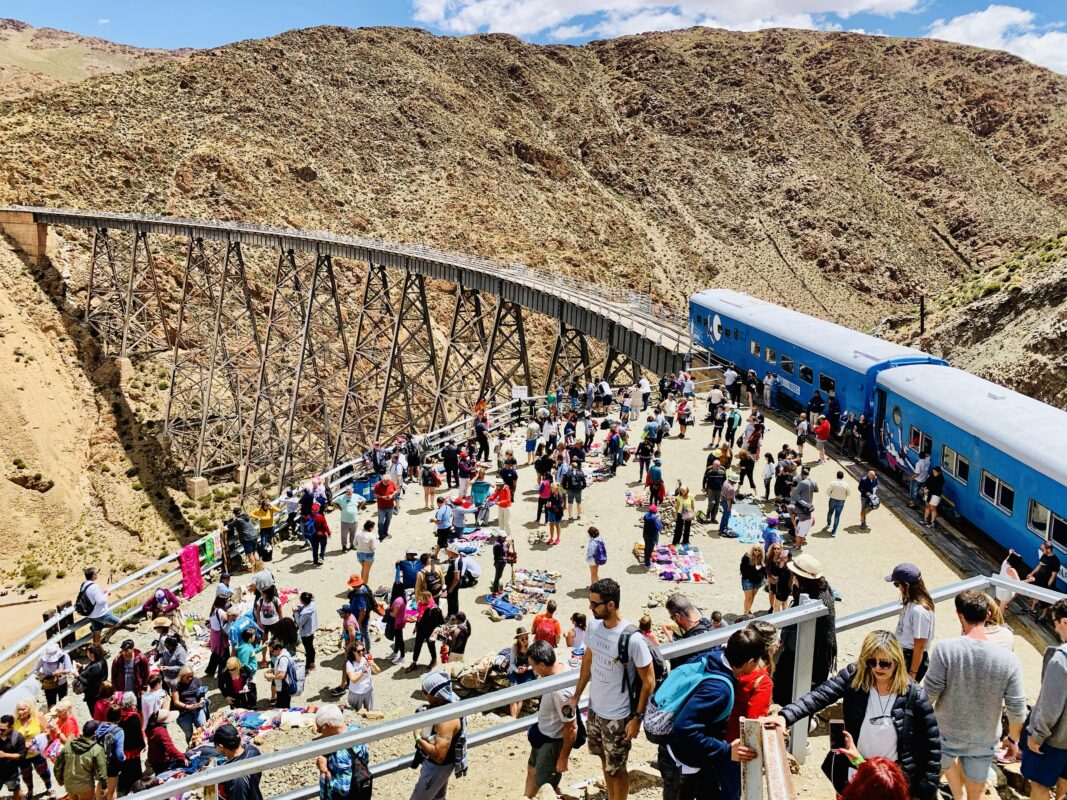
From there, the train travels about 40 km across the high Andean plateau to the famous La Polvorilla Viaduct and back, a journey of roughly three hours round trip.
The original railway once ran all the way to the Pacific coastal town of Antofagasta in Chile—an almost unimaginable rail journey across the Andes, albeit one that no longer exists in its full form today. The landscape through the journey is nothing short of dramatic. In just a few hours it transforms from the lush green Lerma Valley to rugged mountain canyons, and finally to the stark, windswept high Atacama Desert.
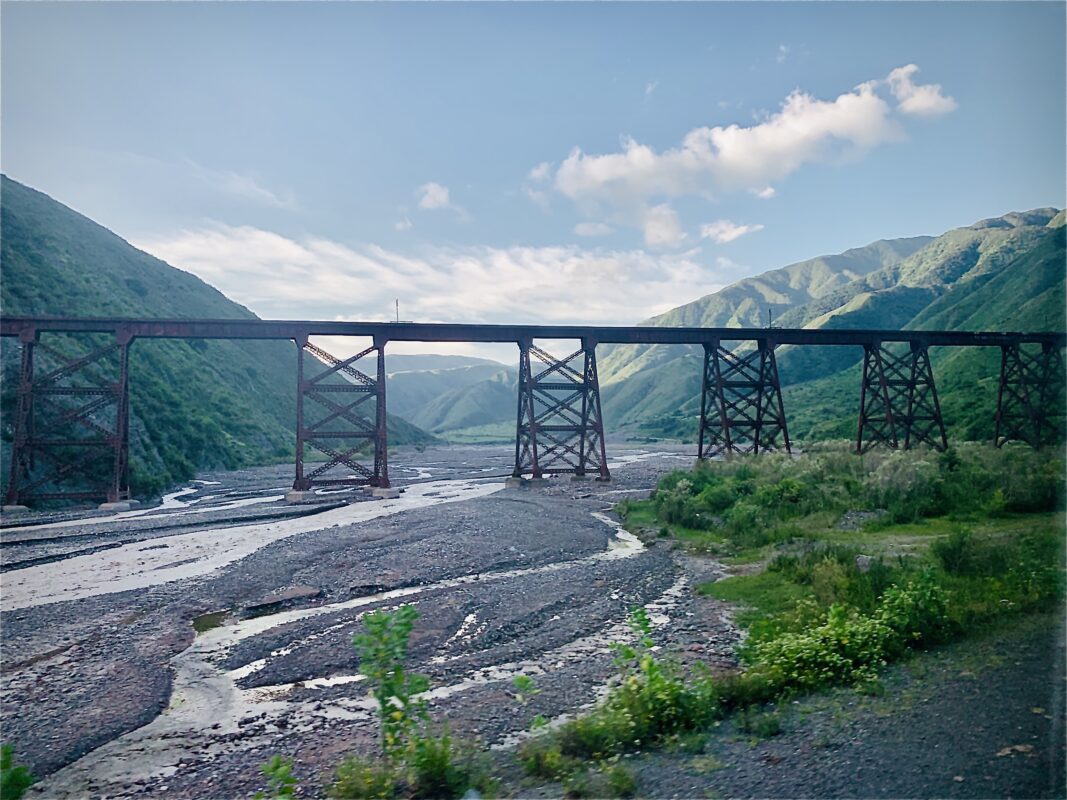
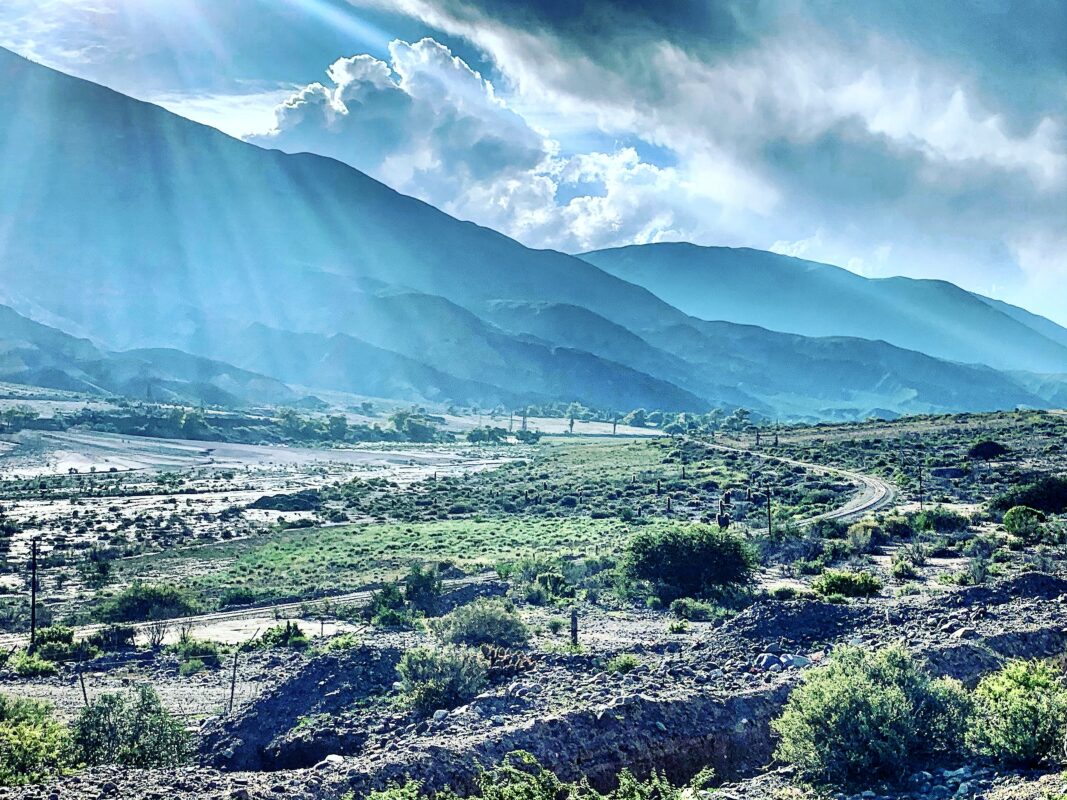
All in a single day.
The full excursion includes about six hours of bus travel and three hours on the train, making for another long day. Which means I took two flights and a three-hour bus ride just to experience a three-hour train journey. Crazy? Maybe. But without a doubt, this remains one of the most remote train journeys I’ve ever taken.